The 10 Most Desirable Roads in Bury St Edmunds (2026 Guide)
The 10 Most Desirable Roads in Bury St Edmunds (2026 Guide)
By Matthew Chapman | Residential Property Advisor, Bury St Edmunds & the surrounding Suffolk villages
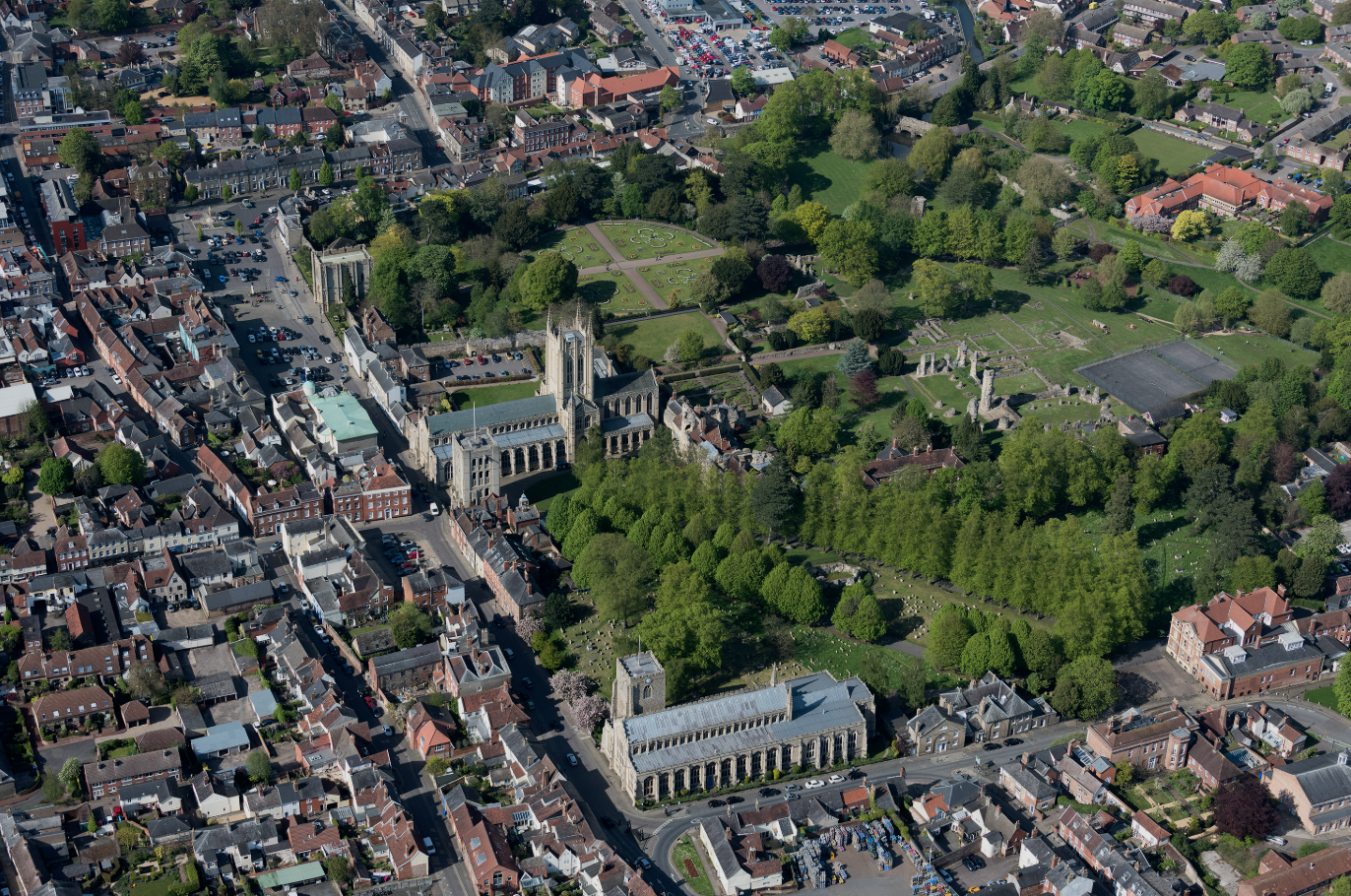
If you are considering a move to Bury St Edmunds, you have almost certainly already discovered that this is not a town where one postcode is much the same as another. Bury St Edmunds has a genuine sense of place — a medieval street plan, a cathedral, an Abbey, outstanding independent schools, a thriving market town centre and easy access to some of Suffolk's most beautiful countryside. But within that broader appeal, certain roads consistently stand out. They attract more enquiries, generate stronger competition when properties come to the market, and retain their desirability through every shift in the wider housing market.
This guide profiles ten of those roads. The selection is not based purely on property prices. It reflects a combination of architectural character, buyer demand, community reputation, access to schools and green spaces, lifestyle quality and the kind of intangible feeling that makes people say, "If a house came up on that road, I'd move tomorrow." Whether you are relocating to the area, upsizing, downsizing or simply researching the market before making your next move, this guide will give you a genuinely informed starting point.
Why Bury St Edmunds Attracts Such Strong Demand
Before profiling individual roads, it is worth understanding why Bury St Edmunds consistently ranks among Suffolk's most sought-after places to live. The town offers a rare combination: a historic, walkable centre with independent shops, restaurants and a twice-weekly market; Abbey Gardens, one of the finest public green spaces in East Anglia; King Edward VI Free School and County Upper School among its secondary provision; excellent transport links via the A14 and direct rail services to Cambridge and London Liverpool Street; and a surrounding landscape of rolling farmland, estate villages and ancient woodland.
It is a town that rewards those who take the time to understand its different neighbourhoods. The ten roads below represent the very best of what Bury St Edmunds — and its immediate surroundings — have to offer.
1. Northgate Avenue
Northgate Avenue sits in one of the most consistently popular residential pockets in Bury St Edmunds, running north from the town centre towards the open countryside beyond. The road is characterised by substantial detached and semi-detached properties, many of them built in the early-to-mid twentieth century, with generous plots, mature gardens and the kind of established streetscape that takes decades to develop.
What makes Northgate Avenue particularly attractive is its balance of proximity and peace. You are within comfortable walking distance of the town centre, Abbey Gardens and the Cathedral Quarter, yet the road itself feels quiet and settled. Families are drawn here by access to well-regarded local schools, while professionals and downsizers value the architectural quality and the sense that this is a neighbourhood with genuine roots.
Properties here rarely stay on the market for long, and when they do appear, they tend to attract multiple interested parties quickly. The combination of period character, space and location makes this one of the most dependable addresses in the town.
2. Out Westgate
Out Westgate is one of Bury St Edmunds' most elegant residential roads, and it is not difficult to understand why. The road extends westward from the historic town centre and is lined with a mix of substantial Victorian and Edwardian properties alongside some fine Georgian examples — architecture that speaks of a time when Bury St Edmunds was already a prosperous and confident market town.
The appeal here is strongly tied to lifestyle. Residents can walk into the town centre within minutes, yet the road itself has a calm, almost village-like character. The properties tend to be well-proportioned, with good ceiling heights, original features and the kind of generous room sizes that modern new-build homes rarely replicate.
Buyers on Out Westgate are typically professionals, families with older children or downsizers who want space and character without sacrificing convenience. The road has a strong community identity, and properties here are genuinely cherished by those who own them — which is reflected in how infrequently they change hands.
3. Out Northgate
Running parallel to the town's historic northern boundary, Out Northgate shares many of the qualities that make its westerly counterpart so desirable, but with its own distinct character. The road is home to a handsome mix of period properties, including some particularly fine Victorian villas, and benefits from a strong sense of architectural continuity that gives the street an unhurried, established feel.
Access to the countryside is a notable draw here. The northern edge of the town is relatively close, and residents can reach open farmland and footpaths without needing to drive. At the same time, the town centre, with its independent shops and restaurants, is an easy walk away.
Out Northgate tends to attract buyers who appreciate period architecture and want to be genuinely connected to the town rather than simply near it. It is the kind of road where neighbours know one another, where properties are well maintained and where the long-term commitment of residents contributes to a palpable sense of community.
4. Angel Hill
Angel Hill occupies a unique position in Bury St Edmunds — both geographically and emotionally. Sitting at the very heart of the town, adjacent to the Abbey Gardens and the Cathedral, it is one of the most historically significant addresses in Suffolk. The properties here are predominantly Georgian townhouses of considerable architectural distinction, and the setting — overlooking the Abbey Gate and the formal gardens beyond — is simply unmatched anywhere else in the town.
Living on Angel Hill is a genuinely different experience from living anywhere else in Bury St Edmunds. The scale of the architecture, the quality of the public realm and the proximity to the Abbey Gardens create a lifestyle that feels more European than typically English market town. Residents can step outside their front door and be in one of East Anglia's finest green spaces within moments.
Demand for properties on Angel Hill is consistently strong, driven by buyers who prioritise architectural quality, historical significance and an address that carries genuine prestige. These are not simply houses — they are part of the town's story.
5. Hospital Road
Hospital Road may not carry the same immediate name recognition as some of the roads featured in this guide, but among buyers who know Bury St Edmunds well, it is consistently cited as one of the town's most desirable residential streets. The road offers a mix of property types, including some substantial detached homes with generous gardens, and benefits from a quiet, residential character that feels a world away from the bustle of the town centre — despite being well within reach of it.
The road's appeal is partly practical. Access to local schools, including some of the town's most sought-after primary provision, is excellent, and the surrounding neighbourhood is well established and well maintained. But it is also about feel. Hospital Road has the kind of settled, confident atmosphere that comes from being a genuinely popular address over many years.
Families with school-age children are particularly drawn to this part of town, and competition for suitable properties when they do come to the market can be significant.
6. Mount Road
Mount Road offers something slightly different from the other addresses in this guide: a more elevated position that affords some properties genuinely attractive views across the town and surrounding countryside. The road is home to a varied mix of detached and semi-detached homes, many of them post-war but with good proportions and, in many cases, substantial gardens that reflect the generous plot sizes of their era.
What buyers consistently value about Mount Road is the combination of space, outlook and accessibility. The road is well connected to the town centre and to the A14, making it a practical choice for commuters as well as those who work locally. The surrounding streets share a similar character, creating a broader neighbourhood with a strong residential identity.
In 2026, the demand for properties with outdoor space and room to work from home has reinforced the appeal of roads like Mount Road, where larger plots and adaptable houses offer the flexibility that modern buyers increasingly require.
7. Home Farm Lane
Home Farm Lane represents a particular kind of desirability — the kind that comes from feeling genuinely tucked away while remaining connected to everything the town has to offer. The lane has a semi-rural character, with properties that benefit from generous plots, mature planting and a sense of privacy that is increasingly rare within the town boundary.
Homes here tend to be substantial, often detached, and frequently occupy plots that would be impossible to replicate in any modern development. The combination of space, greenery and quiet makes Home Farm Lane a perennial favourite among buyers seeking an executive or premium family home without the need to move into the surrounding villages.
The lane attracts buyers who have often already lived in Bury St Edmunds for some time and know exactly what they are looking for. It is the kind of address that people aspire to, and when properties come to the market here, they tend to generate serious and well-qualified interest.
Great Barton: Three Roads Worth Knowing
Great Barton is a village that sits just two miles north-east of Bury St Edmunds town centre, and it has become one of the most sought-after addresses in the wider area. It combines genuine village life — a parish church, a village hall, a strong community — with exceptional convenience. The A143 provides quick access into Bury St Edmunds, and the village falls within the catchment area for some of the town's most highly regarded schools. Three roads within Great Barton deserve particular attention.
8. Mill Road, Great Barton
Mill Road is one of Great Barton's most established residential addresses, lined with a mix of period and post-war properties that benefit from good plot sizes and a pleasant, leafy character. The road has a genuine village feel, with properties that sit comfortably within their surroundings rather than feeling squeezed or over-developed.
Families are strongly represented among buyers here, attracted by the school catchments, the village community and the sense of space that is harder to find within the town boundary. The proximity to Bury St Edmunds means that residents enjoy the best of both worlds: village life without rural isolation.
9. Livermere Road, Great Barton
Livermere Road runs through the heart of Great Barton and is one of the village's most recognisable residential streets. Properties here range from attractive period cottages to more substantial detached homes, and the road benefits from a strong sense of architectural variety that gives it a characterful, organic feel rather than the uniformity of a planned development.
The road's position within the village means that residents are well connected to the village's amenities and community life, while remaining within easy reach of Bury St Edmunds. Buyers on Livermere Road tend to be those who have actively chosen village life — who want to know their neighbours, participate in local events and feel part of a community — while retaining the practical benefits of proximity to a thriving market town.
10. Green Lane, Great Barton
Green Lane offers perhaps the most distinctly rural feel of any address in this guide while still sitting within the Great Barton village boundary. Properties here tend to be set back from the road, with generous gardens and a sense of space and privacy that is genuinely unusual this close to a town the size of Bury St Edmunds.
The lane attracts buyers who prioritise outdoor space, privacy and a connection to the natural environment — qualities that have become increasingly important to buyers across all demographics in recent years. For those who want the feel of a country property without the isolation that can come with a truly rural address, Green Lane represents a compelling and relatively rare option.
What These Roads Have in Common
Looking across all ten addresses, a number of consistent themes emerge that explain their enduring desirability.
Established neighbourhood character — All ten roads have a settled, mature feel that comes from decades of careful stewardship by residents who care about their homes and their surroundings.
Proximity to quality schools — Whether within the town or in Great Barton, access to well-regarded primary and secondary schools is a common thread, and one that consistently drives buyer demand.
Green space and outdoor amenity — From Abbey Gardens on the doorstep of Angel Hill to the open countryside accessible from Out Northgate and the generous private gardens of Home Farm Lane and Green Lane, all ten roads offer meaningful access to outdoor space.
Walkability and connectivity — With the exception of the Great Barton roads, which are a short drive from the town centre, all addresses in this guide allow residents to access the town's amenities on foot. Even the Great Barton roads are well connected by road and, increasingly, by cycle route.
Strong community identity — Perhaps the hardest quality to quantify but the easiest to feel, all ten roads have a genuine sense of community. These are places where people choose to stay, and where long-term residents are the norm rather than the exception.
2026 Buyer Trends: What Today's Purchasers Are Looking For
The property market in Bury St Edmunds in 2026 reflects a number of broader shifts in buyer priorities that have been building since the early 2020s.
Energy efficiency has moved from a nice-to-have to a genuine purchasing consideration. Buyers are increasingly asking about EPC ratings, insulation, heating systems and the cost of running a home — particularly in the period properties that dominate many of the roads in this guide. Sellers who have invested in energy improvements are finding that this work is recognised and rewarded in the market.
Home office space remains a significant driver of demand. The shift towards hybrid and remote working has made an additional bedroom, a garden office or a converted outbuilding a meaningful selling point rather than a luxury. Roads like Mount Road and Home Farm Lane, where larger properties with adaptable layouts are more common, have benefited from this trend.
Village lifestyle continues to attract buyers who might previously have focused exclusively on the town. Great Barton's three roads reflect a broader pattern in which well-connected villages within a short distance of Bury St Edmunds are seeing sustained demand from buyers who want more space, more greenery and a stronger sense of community than urban living typically provides.
School catchments remain one of the most powerful drivers of location decisions, particularly for families with children approaching secondary school age. The roads in this guide that fall within the catchments of the town's most sought-after schools consistently attract competitive interest.
Walkable neighbourhoods — the ability to reach shops, cafés, parks and amenities on foot — have gained further currency as buyers increasingly value lifestyle quality alongside property specification. The town-centre roads in this guide score particularly well on this measure.
Frequently Asked Questions
What is the most desirable road in Bury St Edmunds?
This is a question that depends significantly on what you are looking for. Angel Hill is arguably the most architecturally prestigious address in the town, with its Georgian townhouses overlooking the Abbey Gardens. For family buyers prioritising school access and space, roads such as Northgate Avenue, Hospital Road and Out Westgate are consistently cited. For those seeking a premium executive home with a semi-rural feel, Home Farm Lane is hard to match. There is no single answer — the most desirable road is the one that best fits your lifestyle and priorities.
Which roads are best for families with children?
Families consistently gravitate towards Hospital Road, Northgate Avenue and the three Great Barton roads — Mill Road, Livermere Road and Green Lane — due to their proximity to well-regarded schools, generous property sizes and strong community character. Great Barton in particular has become a destination for families who want village life with easy access to Bury St Edmunds' secondary schools.
Where can I find executive homes in Bury St Edmunds?
Home Farm Lane and Mount Road are the addresses most commonly associated with executive and premium family homes within the town boundary. Out Westgate and Out Northgate also offer substantial period properties that appeal to buyers seeking architectural quality and generous proportions. In Great Barton, Green Lane offers a more rural executive feel.
Why has Great Barton become so popular?
Great Barton has benefited from a combination of factors: its proximity to Bury St Edmunds (under two miles from the town centre), its position within sought-after school catchments, its genuine village character and community, and the relative value it has historically offered compared to equivalent properties within the town boundary. As buyer priorities have shifted towards space, greenery and community, Great Barton has become an increasingly natural choice.
Are properties close to the town centre a good investment?
Properties on or near the historic town centre — particularly on roads such as Angel Hill, Out Westgate and Out Northgate — have historically demonstrated strong long-term value retention. Their combination of architectural quality, scarcity and lifestyle appeal creates consistent demand that supports values through market cycles. That said, investment decisions should always be considered carefully alongside your personal circumstances and long-term plans.
How close are these roads to the town centre?
The majority of roads in this guide are within comfortable walking distance of Bury St Edmunds town centre — typically between five and fifteen minutes on foot. Angel Hill is effectively within the town centre itself. The Great Barton roads are approximately two miles from the town, making them a short drive or a pleasant cycle ride away.
A Final Word
Bury St Edmunds is a town that rewards those who take the time to understand it properly. The ten roads profiled in this guide represent some of the very best that the town and its immediate surroundings have to offer — but they are starting points rather than a definitive list. Every buyer's priorities are different, and the right road for you will depend on a combination of practical factors and personal preferences that no guide can fully anticipate.